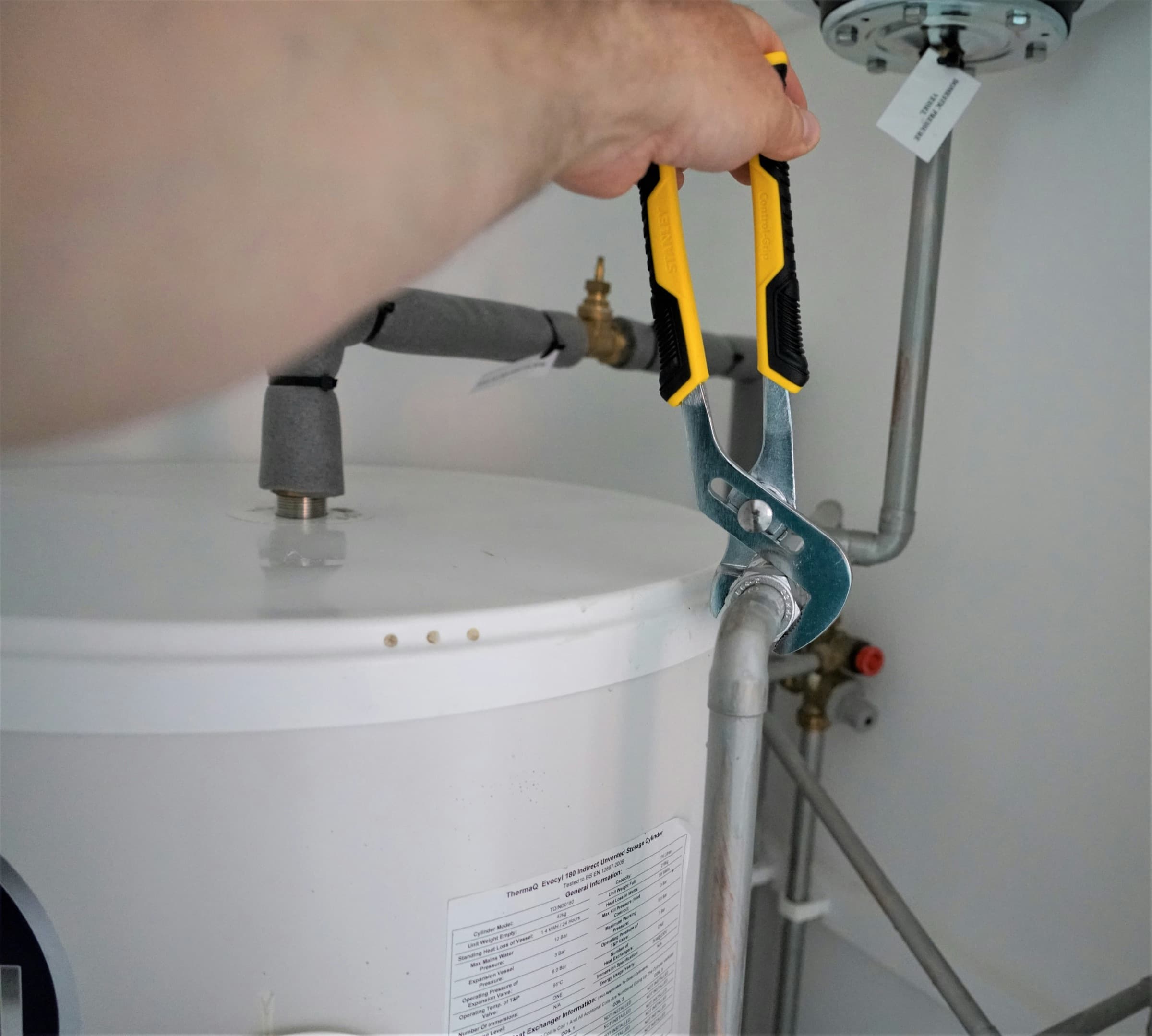
Furnaces, water heaters and gas lines, by licensed gas technicians.
Gas work has to be done by a licensed technician, and ours are. We repair and replace furnaces and water heaters, and run new gas lines to code.
Gas & Heating services
Pick a job
Choose one on the left and you get what it covers in plain English. If it is already leaking, flooding or you can smell gas, skip the reading and call.
Tankless Water Heaters
Hot water that does not run out, sized to your house and installed to code.
Furnace Repairs & Replacements
Repairs the same day where we can. Replacement if the furnace is past saving.
Emergency Gas Leaks
If you smell gas, leave the house, call the utility, then call us. We come any hour.
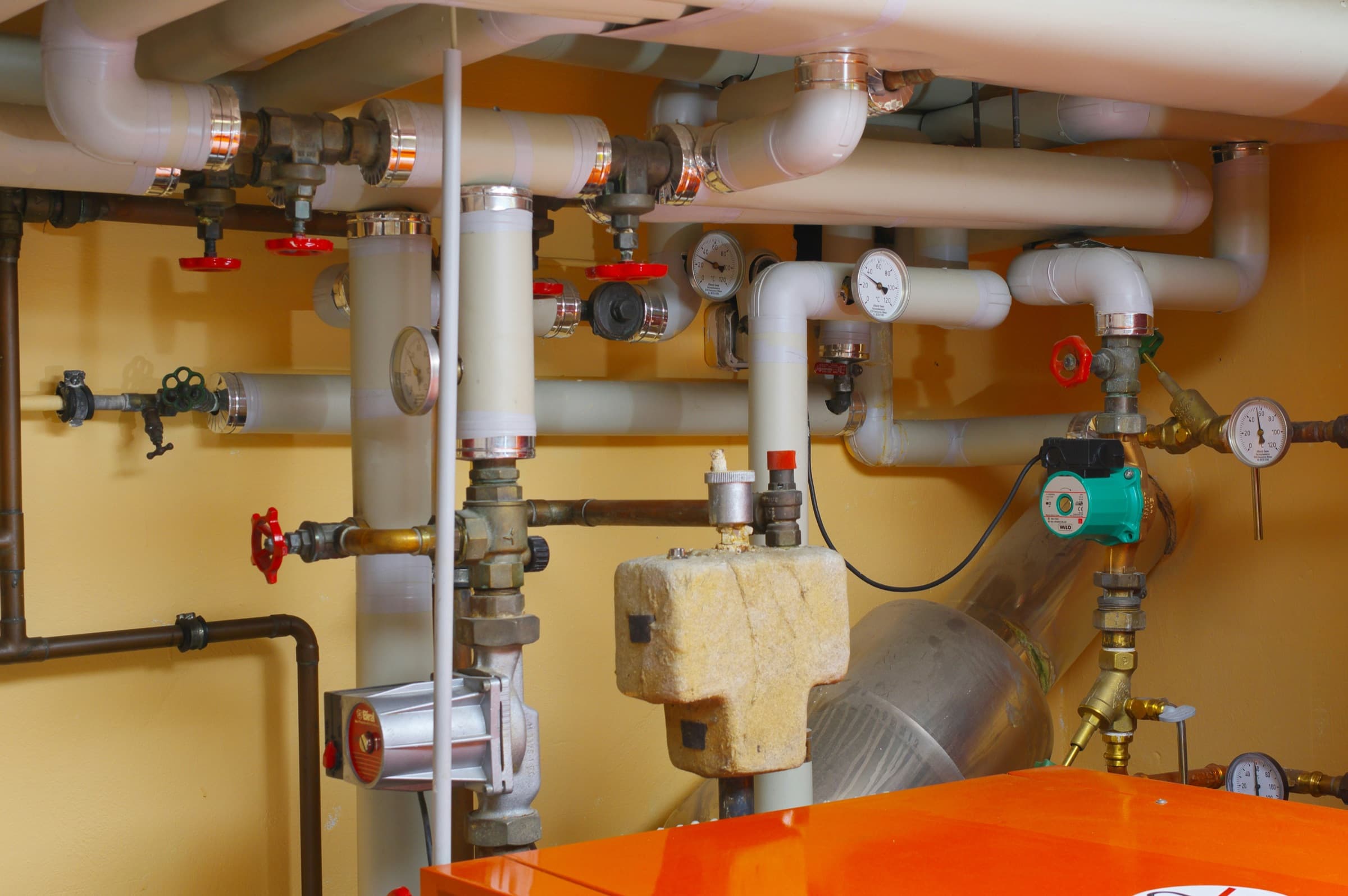
Why heating is not a see how it goes
Most things on this site cost you money when they are left. This one can cost more than money, which is the reason it is licensed work.
- Today
A burner flame gone lazy and yellow
Left until winterIncomplete combustion, and carbon monoxide is the version of that you cannot see, smell or taste.
- Today
A furnace starting and stopping every few minutes
Left until winterA cracked heat exchanger, which is a replacement rather than a repair, and it finds you in the coldest week of the year.
- Today
A water heater that ticks or kettles
Left until winterA burner firing through a layer of sediment until the tank gives out, which it does onto the floor it is standing on.
- Today
A pilot that needs relighting now and then
Left until winterA venting fault nobody ever looked at, found in January with the house cold and every technician already booked.
Signs to stop and call
Heating problems give warning. Some of these mean book a visit this week. The first two mean leave the house now.
- A smell like rotten eggs or sulphur
- Leave the house first, then call the gas utility from outside, then call us. Do not wait to find the source yourself.
- A carbon monoxide alarm sounding
- Get everyone outside and call 911. CO has no smell, so the alarm is the only warning you get.
- A yellow or lazy burner flame instead of a crisp blue one
- Incomplete combustion. It is the visual version of the same problem a CO alarm catches, and it needs a technician, not a cleaning.
- Soot or black staining around the furnace or water heater
- The appliance is not venting properly. Stop using it and book a visit.
- The furnace starts and stops every few minutes
- Short cycling, usually a blocked filter, a failing sensor or an oversized unit. It wastes gas and wears the furnace out early.
- The water heater rumbles or ticks like a kettle
- Sediment on the tank bottom, so the burner is heating through a layer of grit. Flushing helps early, less so once it has been years.
The four things not to do
Plumbing mistakes cost money. Gas mistakes cost more than that, which is why this trade is licensed and the others are not in the same way.
If you smell gas, do not touch a light switch, a phone or a door opener
Any spark will do it, including the one inside a switch you cannot see. Get out, then make the call from outside.
Do not tape, seal or reroute a flue to tidy it up
That pipe is how combustion gases leave the building. Restricting it is the single most common cause of carbon monoxide in a home.
Do not run the furnace with the front panel off
On most units the panel closes a safety switch and completes the combustion air path. Leaving it off can pull exhaust back into the house.
Do not connect your own range, dryer or barbecue line
In Ontario gas work has to be done by a certified technician. Beyond the safety of it, an uncertified connection is the kind of detail an insurer looks for after a fire.
How a gas or heating call goes
Make it safe
If there is any suspicion of a leak or of CO, that gets confirmed and isolated before a single diagnostic step. Nothing else matters until it is safe.
Test, do not guess
Combustion readings, leak detection on the joints, and the actual fault codes off the board. Guessing at gas appliances is how people replace working parts.
Repair or replace, with both numbers
If a unit is old enough that a repair is only buying a season, we will say so and show you the repair cost and the replacement cost side by side. The choice stays yours.
Certify and document
The work is done to code, tested, and written up. Keep the paperwork: it is what an insurer and the next buyer's inspector will both ask for.
What changes a gas and heating price
Two houses can get very different numbers for the same appliance, and it is almost never the appliance doing it.
Repair against replacement
Parts availability falls off sharply on older units. When a part has to be hunted down, replacing can be the cheaper answer even in the same week.
Venting
Changing appliance type often changes how it has to vent. A high efficiency unit vents differently to what it replaces, and that work is part of the job.
The gas line feeding it
Length of run, and how many appliances share it. Adding a big draw to an already loaded line can mean upsizing the line, which is the surprise on most tankless quotes.
Tank against tankless
Tankless usually needs both a larger gas line and new venting. The unit is one part of that number and often not the biggest.
Permits and inspection
Some work needs a permit and an inspection. We price it in rather than leaving it for you to discover.
Gas & Heating questions
Gas & Heating across the GTA
Every job on this page, anywhere in the GTA. The crew comes to you: this is a mobile business, not a shop you drive to.
Need gas & heating help now?
Emergency or planned job, you get an arrival window on the phone and a price before any work starts. Anywhere in the GTA, 24/7.